Why San Antonio Is Emerging as a Leader in Addiction Treatment
Drive a couple of miles in any kind of instructions throughout San Antonio and you can see the change. Emergency departments now start buprenorphine before a person ever leaves the healthcare facility. Belief based domestic programs share data with region detox units. Professionals stroll right into centers where the front workdesk talks well-versed military and well-versed Spanish. This is what a developing environment appears like when a city chooses that addiction is a treatable health problem, not a character flaw.
Leaders right here will tell you that San Antonio did not end up being a brilliant place by accident. It grew from a blend of tough made lessons, practical cooperation, and a group fact that required bilingual, seasoned aware, trauma informed care. The result is not excellent and the work is incomplete, yet you can feel the momentum. For individuals looking for addiction treatment in San Antonio, the difference shows up as even more doors, fewer dead ends, and a greater chance of recuperation that sticks.
The health care backbone that changed the trajectory
Cities attempting to build strong addiction care normally encounter the same wall. Services exist, yet they being in silos. San Antonio punched with that wall by linking its scholastic hub, public healthcare facility, region behavior wellness authority, and first -responders into a working network.
UT Health and wellness San Antonio trains medical professionals, nurses, and social workers that are now comfy treating substance use problems as persistent, relapsing problems rather than one time situations. College Wellness, the general public hospital system, gives that educating a home in emergency situation divisions and clinics where procedures actually get made use of. The Center for Healthcare Providers runs the Restoration Facility, a 24/7 sobering and detoxification resource that offers a different to jail or the emergency room for individuals in withdrawal. Neighborhood EMS groups do greater than transport. They bring naloxone, alert outreach partners, and loop in mobile incorporated medical care devices for following day adhere to up.
These web links matter in the very first 72 hours after an overdose or a dilemma. In useful terms, a person generated for an opioid overdose can receive naloxone, obtain screened for co taking place mental health needs, start buprenorphine in the ED, and leave with a cozy referral to outpatient addiction medication or residential treatment. A decade back, that same person most likely entrusted a pamphlet and a warning.
Texas policy changes aided. The state eliminated the federal X waiver obstacle, which opened the door for even more medical professionals to suggest buprenorphine, and broadened naloxone accessibility via statewide programs that place kits with clinics and community groups. San Antonio suppliers made those policy adjustments genuine by developing methods around them.
Court diversion and situation alternatives that really work
Bexar Area started experimenting with jail diversion long before it ended up being typical vernacular. Specialty courts for people with substance use and psychological wellness conditions direct individuals right into treatment and supervision instead of standard sentencing. The Repair Center offers sobering and detoxification as an exit ramp from incarceration or emergency holds. Law enforcement officers learn where to take somebody in dilemma at 2 a.m., and they belong to go that is not a prison consumption window.
Diversion programs just be successful if they have somewhere trustworthy to draw away people to. San Antonio's continuum includes detox, residential, partial a hospital stay, extensive outpatient, typical outpatient, peer recuperation sustains, and sober real estate. Admission standards are better worked with than they made use of to be, which reduces the pinball impact where an individual jumps from door to door. There are still gaps, especially for teens and people with complex medical needs, however the distance between a court order and a treatment bed has narrowed.
Veterans and army families locate culturally competent care
San Antonio's armed forces footprint is not decoration. It is daily life. Joint Base San Antonio, the South Texas Veterans Health Care System, and a big populace of retired people have shaped the city's method to injury and addiction. Facilities recognize exactly how to ask about deployments and blast exposures without transforming the intake into an investigation. Counselors function comfortably with TRICARE and VA recommendations. Family members programs understand the rhythms of obligation terminals, reintegration, and the peaceful stigma that still surrounds aid seeking in some units.
This army literacy is not a tiny point for addiction treatment in San Antonio. When an individual listens to language and examples that match their life, they disclose more and stay longer. Carbon monoxide happening PTSD and chronic discomfort are treated as core scientific concerns, not side notes. Suppliers coordinate with VA pain specialists and use techniques like long term exposure, EMDR, and injury informed yoga along with medications for opioid usage disorder. The result is a greater chance that professionals involve, instead of go away after the very first appointment.
Bilingual, bicultural care is the norm, not the exception
More than 60 percent of Bexar Area residents identify as Hispanic or Latino, and Spanish becomes part of day-to-day live throughout the city. San Antonio's treatment area leaned into that fact. Several front desks, groups, and family members sessions occur effortlessly in Spanish. Composed products, safety and security strategies, and aftercare instructions can be found in both languages. Staff are trained to comprehend cultural variables that influence alcohol consumption and drug use, consisting of household roles, faith, and the means embarassment takes a trip across generations.
Bicultural care does not indicate soft pedaling scientific criteria. It indicates clarifying medications like buprenorphine in such a way that resonates with parents who equate pills with moral failure, or structure household sessions that include grandparents that hold strong guide over house decisions. It means assisting a client navigate confidence commitments that can be a resource of toughness and, sometimes, an obstacle to proof based treatment. Programs that do this well see more powerful family engagement and greater retention.
A continuum that reaches throughout cost points
San Antonio's toughness is variety. There are not-for-profit mainstays that have served the city for years, females centered programs that protect kids's stability while a mom maintains, belief based domestic choices for individuals that connect recuperation with spiritual life, and hospital affiliated solutions for medically intricate cases.
Peer recuperation companies use drop in groups, coaching, and sober activities that aid people restore a life, not just stop using. Community campuses dedicated to homelessness, like Place for Hope, web link addiction treatment with housing, job training, and ID recuperation. Reentry programs assist individuals coming home from imprisonment discover security prior to stress and anxiety comes to be relapse.
This breadth keeps the city from being held hostage by any type of single financing stream. When one payer tightens up preauthorization or a give ends, other doors stay open. It likewise allows clinicians match level of care to need, as opposed to compeling everyone via the very same mold.
Harm reduction grew from conflict to usual sense
Texas has actually wrestled with damage reduction for many years. Syringe solution regulations stay narrow, and disputes get political quick. On the ground in San Antonio, the culture changed towards functional steps that keep people active long enough to select healing. Naloxone is far easier to locate. State financed circulation centers supply neighborhood teams, centers, and families, and initial -responders regularly leave sets behind after an overdose call. Fentanyl examination strips are now lawful in Texas, and neighborhood partners have incorporated them into outreach with clear, nonjudgmental education.
The city has likewise created an extra nuanced understanding of language. Team discuss medications for opioid usage problem rather than medicine assisted therapy, which stresses the legitimacy of buprenorphine and methadone as treatments, not props. Service providers track message overdose follow up attempts as seriously as they track pee medication displays. None of this removes danger, yet it alters the slope of the curve.
If you desire a quick gauge of where a city depends on harm reduction, stroll into an outpatient center and ask the front desk for naloxone. Progressively in San Antonio, the person behind the counter will hand you a package, reveal you just how to use it, and invite you to a family members education and learning evening. That is what development looks like at eye level.
Training the workforce and making use of peers where they matter most
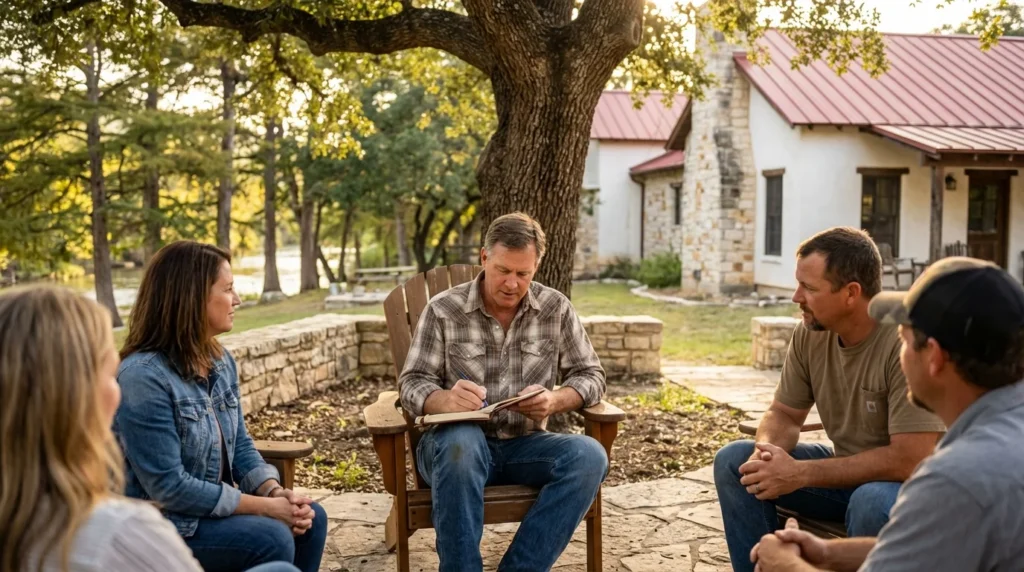
Effective addiction treatment depends on people, not buildings. San Antonio made financial investments below that show up in day-to-day practice. Clinical institutions and nursing programs instruct screening, short treatment, and recommendation to treatment as fundamental professional skills, not electives. Therapists, social employees, and physicians discover just how to begin and preserve MOUD safely. Hospitalists get comfy with pain and withdrawal monitoring so they do not reflexively release individuals with "behavior" notes that mask unattended dependence.
Peer healing experts have come to be a backbone. They staff emergency situation department consults, run groups, fulfill individuals where they desire an overdose or a relapse, and maintain the focus on progress instead of excellence. Qualification pathways through the Texas Certification Board legitimize those functions and create a profession ladder that retains skill. A lot of the most effective peers in San Antonio came with the neighborhood treatment system themselves, which maintains treatment grounded and practical.
Using telehealth and mobile teams without shedding the human touch
Telehealth increased during the pandemic and never left. In San Antonio, it did not change personally care, it filled voids. Evening video clip visits make it possible for a parent on change work to re-fill buprenorphine or attend regression prevention without losing pay. Rural patients in the areas around the city use specialized treatment they would not or else have. Mobile teams bring drugs and counseling to individuals who can not reach a center, including those in shelters or transitional housing.
The compromise is noticeable. Telehealth can widen gain access to, however it can additionally develop slim relationships that do not hold when a crisis hits. Programs that utilize it well set clear thresholds for face to face gos to, need regular laboratories, and insist on neighborhood connection, whether via groups, household sessions, or peer mentoring. The idea is easy. Use modern technology to reduce the obstacle, then build human relationships strong enough to lug the weight.
Paying for care in a state that did not broaden Medicaid
Texas did not broaden Medicaid, which fact forms day-to-day procedures. San Antonio's action has actually been to entwine funding, not await a plan change. Region dollars sustain situation solutions that conserve cash on prison and emergency room use. Opioid negotiation funds are being steered towards naloxone, therapy capability, and avoidance. Philanthropy plugs holes where insurance policies do not make sense, such as real estate assistance during early healing. TRICARE and VA protection prolong reach for military households. Industrial insurance policy plans are increasingly executing parity, however prior consent and narrow networks still develop friction.
For family members, the practical takeaway is that perseverance pays. If one door asks for money up front, ask about sliding scales, not-for-profit choices, or region financed choices. In San Antonio, those alternatives often exist within a couple of miles.
What top quality looks like up close
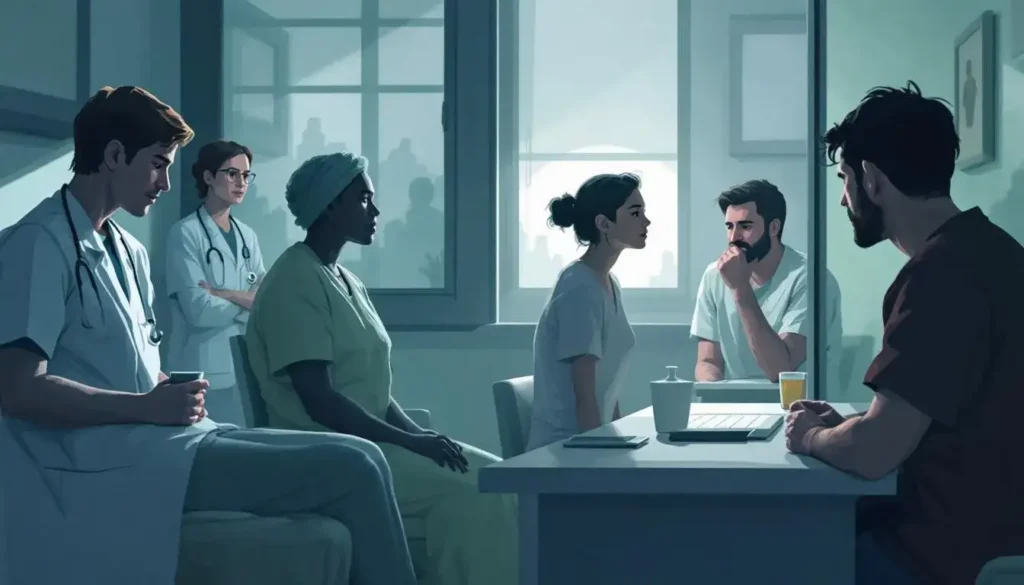
Look past the pamphlets and you can tell which programs in fact deliver. The skilled ones action involvement at thirty day and retention at 90 days, not simply college graduation rates. They release their MOUD fostering and provide all FDA accepted alternatives for opioid use condition, consisting of methadone by reference where suitable. They co take care of depression, anxiousness, and injury instead of identifying them "outside range." Discharge planning starts on the first day with reasonable aftercare that consists of real estate stability, employment or education assistance, and family members involvement.
Programs that fall short usually share a couple of tells. They assure fast cures, stay clear of medicines on principle, or depend entirely on conflict based groups. They battle to collaborate with healthcare facilities or the courts, and their waiting checklists drag out due to the fact that they have not built partnerships upstream and downstream.
Here is a brief, useful filter households in San Antonio utilize when selecting treatment:
- Do you use buprenorphine or methadone for opioid usage problem, and the amount of of your people use them for a minimum of 6 months?
- If my loved one ends up in the emergency room, will you coordinate within 24 hours?
- Do you have multilingual clinicians and family sessions in Spanish if we need them?
- How do you measure results, and will certainly you share your 1 month involvement and 90 day retention rates?
- What is your prepare for real estate, peer assistance, and relapse feedback after discharge?
Five truthful answers to those concerns will certainly inform you more than a glossy website ever could.
The city's personality prefers sensible collaboration
Some areas get stuck disputing belief while individuals die. San Antonio, most of the time, chooses practical participation. Health center leaders sit at the very same table with belief based supervisors and harm reduction supporters. They will certainly suggest concerning methods, but they keep the discussion moving. The common objective is simple, less funerals and more secure families.
This temperament appears in everyday logistics. A household program that can not take a person with active psychosis knows who to call at the area for a quick psychological examination. An outpatient facility flagging a client in unsafe withdrawal can reach a detoxification nurse directly. Specialty courts keep upgraded checklists of open beds instead of handing accuseds a directory site printed in 2015. These are not headlines, yet they shorten the distance between situation and care.
Safety webs for certain populations
Strong systems make area for individuals who too often fail the cracks.
Women with kids find programs that work with child care, collaborate with Youngster Safety Solutions, and involve prolonged family members to stabilize the home. Adolescents stay a challenge across Texas, and San Antonio is no exemption. The city is moving toward more teenage details tracks that incorporate school routines, family members systems, and carbon monoxide happening concerns like vaping and social media sites driven anxiety, but capacity is still thin.
For individuals experiencing being homeless, the link in between real estate and sobriety is managed directly. Sober living alternatives and recovery housing obtain assistance, and some programs will certainly not discharge to the street. Road outreach teams currently carry buprenorphine initiation procedures and transport choices, not simply pamphlets.
Reentry from jail requires unique attention. Local companions have actually increased pre launch testing and cozy handoffs. The objective is medications and appointments in place before the opening night out, which is a known threat window for overdose and relapse. Some parts of Texas have piloted MOUD inside prisons, and Bexar Region stakeholders remain to examine methods to expand gain access to for individuals in custody and instantly after release.
Data without spin
Numbers around overdose deaths and treatment accessibility shift year to year. What is clear in Bexar Area is the same trend seen across Texas, fentanyl has increased risk, and fatalities climbed sharply in the last few years. Naloxone circulation numbers have increased as necessary, and even more individuals are being revived. ED started buprenorphine has actually boosted, aided by the elimination of government obstacles to prescribing.
These shifts do not show victory, they prove movement. The city's public health authorities and supplier unions share data much more freely now, and they utilize it to fine-tune protocols. If a postal code shows increasing overdoses, https://rafaelirur833.laurelcurrent.com/posts/addiction-treatment-in-san-antonio-for-lgbtq-individuals-inclusive-treatment outreach teams readjust their hours and locations. If a center sees inadequate retention for Spanish talking individuals, leadership does not condemn the patients. They analyze organizing, child care, and transportation.
How households and patients can browse the system
Even in a fairly solid system, the very first phone calls can feel frustrating. Keep the concentrate on security and energy. Request for naloxone, start evidence based medications when indicated, and secure the next visit before you leave any center. If you encounter a shut door, request for a cozy handoff to a real-time person at an additional program. Energy is the currency of early recovery.
For addiction treatment in San Antonio, begin with three anchors. Call the county's behavior health and wellness accessibility line to map the quickest pathway to detox or outpatient services. If opioids are involved, prioritize a clinic that begins buprenorphine or can refer for methadone without delay. If the individual is a veteran or a military family member, loophole in the VA or TRICARE network early because benefits can cover more than you expect.
A 2nd, equally essential track is family members education and learning. Numerous programs offer night sessions that clarify brain modifications, drugs, boundaries, and regression planning. Spanish language groups are significantly offered. Families that find out with each other and set consistent expectations reduced the probabilities of disorderly cycles.
What to watch next
San Antonio has the items to widen its lead in addiction care, yet two fronts will establish how far it goes. First, teenage solutions require more depth. Colleges are all-natural companions, and programs that can flex around terms and sports seasons will certainly push on. Second, real estate linked to healing stays a pressure factor. Expanding sober living, transitional housing, and work paths that pay a living wage will certainly transform short-term treatment gains right into long term stability.
On the plan side, proceeded financial investment of opioid settlement dollars right into treatment capacity, drugs, and area based supports can speed up everything described above. Measurable objectives assist. Track engagement and retention, MOUD application, time from court recommendation to first appointment, and blog post overdose adhere to up rates. Share the numbers openly, and allow them assist funding.
Why San Antonio's example issues beyond the city limits
When people discuss Addiction treatment texas, they often focus on high profile personal facilities near the Hill Country or the coastline. San Antonio provides a different version. It is large, diverse, cheaper than some nearby cities, and rooted in public private collaboration. It mixes academic medicine with community wisdom, armed forces culture with bicultural fluency, and evidence based experiment a straight, neighborhood design that values outcomes over rhetoric.
If you are seeking addiction treatment in San Antonio, you will certainly find a system that still has waiting lists and gaps, yet also one that responds to the phone, supplies genuine drugs, brings family members into the room, and works with throughout institutions that used to ignore each various other. The city earned that progress person by person, court by court, and change by shift. For the person standing at the limit, that progress can make all the difference.
Quick telltales of a program constructed to last
Use this last photo to arrange strong choices from the rest:

- Clear accessibility to buprenorphine, naltrexone, and methadone reference, without thoughtful hurdles
- Bilingual services ingrained across consumption, groups, and household sessions
- Documented sychronisation with medical facilities, courts, and peer assistance networks
- Transparent outcome metrics and a willingness to share them
- Aftercare that consists of housing, work support, and regression feedback, not simply a checklist of meetings
Cities do not become leaders by crash. San Antonio selected to construct structures that keep individuals to life, use evidence based treatment, and regard the complexities of the real worlds. For anybody looking for addiction treatment, that option opens a course worth walking.